Lee High Road rubbish removal guide for homes and gardens
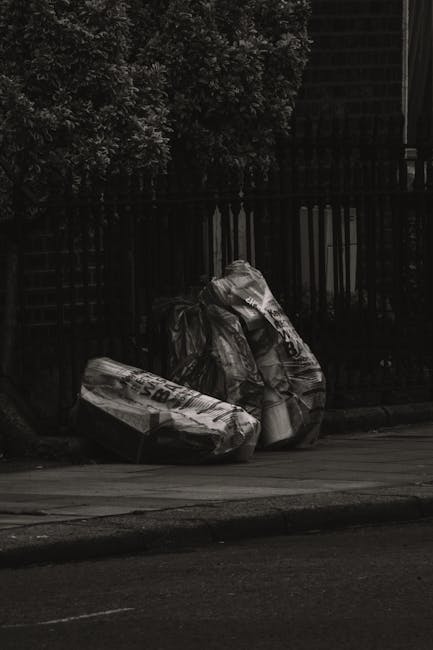
If you live near Lee High Road and the bins are overflowing, the shed is packed with old bits of timber, or the garden has turned into a quiet pile-up of branches, pots, and broken furniture, you are not alone. A good Lee High Road rubbish removal guide for homes and gardens should make the whole job feel a lot less messy and a lot more manageable. Truth be told, most clear-outs are not difficult in theory. They are just awkward, time-consuming, and full of small decisions that slow people down.
This guide walks you through what rubbish removal actually involves, how home and garden clearances are usually handled, what to look out for, and how to avoid the common mistakes that turn a simple tidy-up into a weekend headache. We will also cover practical choices, compliance basics, and the sorts of jobs that are easiest to tackle with a professional team rather than a string of car trips and a very full driveway.
Expert summary: The smartest approach is usually to sort the waste first, separate anything recyclable or reusable, and then choose the removal method that best fits the volume, weight, access, and urgency of the job. Small task, big difference.
Why Lee High Road rubbish removal for homes and gardens matters
Lee High Road sits in a part of London where homes, flats, gardens, side returns, and shared access spaces often overlap in tight, practical ways. That matters because rubbish removal is rarely just about "getting rid of stuff". It is about moving waste safely through narrow paths, keeping neighbours happy, protecting surfaces, and making sure the right materials go to the right place.
In homes and gardens, the waste mix can be surprisingly varied. One week it is old fencing and turf. The next it is broken wardrobes, mattresses, boxes from a loft clear-out, or bags of soil that weigh far more than they look. If you have ever lifted a half-filled garden sack and thought, "that cannot possibly be this heavy," well, yes, it can. Garden waste has a habit of being deceptive.
There is also a practical local factor. In busy residential streets, bulky items left outside too long can become an eyesore, attract fly-tipping, or simply get in the way. For households near Lee High Road, a tidy and structured removal plan helps keep things calm, avoids extra stress, and makes the whole property feel more usable again.
It also matters for value and liveability. A clear driveway, a usable patio, or a garden that is free from stacked debris can completely change how a home feels. You notice the air, the light, the space. Suddenly the place breathes a little more.
If the job involves a broader clear-out, you may also want to look at related services such as home clearance, house clearance, or garden clearance, depending on whether the waste is mostly indoors, outdoors, or a mix of both.
How Lee High Road rubbish removal for homes and gardens works
At its core, rubbish removal follows a straightforward pattern: identify the waste, sort it, load it, transport it, and dispose of it responsibly. The detail, of course, is where the real work sits. A decent clearance should feel organised, not rushed. That means the team or homeowner should understand what is being removed, what should stay, and how access will work on the day.
For homes, this often starts inside the property. Loft clutter, furniture, broken appliances, bagged waste, old flooring, and general household junk are grouped by type. For gardens, the focus shifts to green waste, soil, branches, fence panels, old planters, damaged sheds, and sometimes a few random bits that have been lingering behind the hedge for years. Let's face it, gardens collect "temporary" storage very efficiently.
A proper removal process usually includes a quick assessment of volume and access. Can a vehicle park close by? Are there stairs or narrow gates? Is the waste loose or bagged? Are any items too heavy for safe lifting? These questions matter because they shape labour, time, and the right method of removal.
In many cases, teams handling rubbish removal will also think about reuse and recycling before disposal. That is especially useful for furniture, metal, wood, and certain mixed loads. If a piece can be separated cleanly, it usually should be. For some households, that is the difference between a basic clear-up and a more sustainable one. You can read more about those principles through the site's recycling and sustainability approach.
Where the waste is mostly bulky domestic material, a service like waste removal can be the most direct option. If the job includes old sofas, wardrobes, or other awkward pieces, furniture disposal or furniture clearance may fit better, especially when items need careful handling through hallways or stairwells.
Key benefits and practical advantages
A good rubbish removal service saves time, but that is only the beginning. The real value tends to show up in the details: less lifting, less mess, less risk, and less uncertainty about what to do with odd items that do not fit neatly into household bins.
- Faster turnaround: What might take a family several days of sorting and multiple trips can often be handled in one organised visit.
- Less physical strain: Heavy bags, broken furniture, and damp garden waste are not exactly kind to backs, shoulders, or knees.
- Better use of space: Clearing a garden or spare room quickly makes the property more usable straight away.
- Cleaner finish: A well-run removal avoids scattered debris, broken sacks, and the "we'll deal with that later" pile.
- Improved sorting: Reusable items, recyclable material, and general waste can be separated more effectively.
- Reduced stress: No need to second-guess where things should go or whether the car boot can handle one more load.
For a lot of people, the biggest benefit is psychological. Clutter has a way of hanging around in the back of your mind. You keep seeing the pile by the fence or the old wardrobe in the hall. It nags a bit. Once it is gone, the whole place feels lighter, and that matters more than people expect.
For larger jobs, a clearance visit can also be more efficient than trying to tackle everything piecemeal. If the task involves a garage, loft, or multiple rooms, services such as garage clearance and loft clearance may be relevant too, especially where the waste includes a mix of bulky and awkward items.
Who this is for and when it makes sense
This guide is useful for anyone living on or around Lee High Road who needs practical help dealing with household or garden waste. But some situations make professional removal especially sensible.
You may want to consider it if you are:
- clearing a garden after pruning, landscaping, or a DIY refresh
- removing broken furniture, mattresses, or household clutter
- preparing a home for sale, letting, or a move
- sorting out a shed, garage, or loft that has become a storage black hole
- dealing with waste after decorating or light refurbishment
- managing the belongings from a sensitive home clearance situation
It also makes sense when the access is awkward. Terraced homes, upper-floor flats, shared front areas, and narrow side passages can make a simple job feel far more complicated than it should. If that sounds familiar, a more structured service like flat clearance or house clearance may be the better fit.
Some people try to handle everything themselves to save money, which is understandable. But once you factor in vehicle hire, time, lifting risk, disposal effort, and the general inconvenience of multiple trips, DIY often stops looking cheap. Not always, but often enough.
It is also worth saying that commercial or mixed-use spaces can have different needs. If you are dealing with small-business waste, an office, or a premises that produces non-domestic rubbish, the right route may be closer to business waste removal or even office clearance. Different job, different expectations.
Step-by-step guidance
If you want the process to go smoothly, treat it like a small project rather than a frantic clear-out. Here is a practical way to approach it.
- Walk the property first. Start in the garden, then move through the house or flat. Make a quick list of what needs to go.
- Separate by type. Group general waste, green waste, furniture, wood, metal, and anything that may need special handling.
- Check access. Measure gates, stairwells, doorways, and parking access if necessary. A lot of avoidable hassle lives in this step.
- Remove anything you want to keep. It sounds obvious, but labels, photos, and a "do not touch" box can save a headache later.
- Bag or bundle loose material where sensible. Dry garden cuttings, lightweight clutter, and small items are easier to move if grouped neatly.
- Identify awkward or hazardous items. Paint tins, sharp metal, broken glass, electrical goods, and heavy soil should be flagged early.
- Choose the right removal option. Match the service to the waste type, access, and urgency.
- Clear the area in stages. If you have a mixed load, start with the biggest obstructions so the rest becomes easier to manage.
- Do a final sweep. Look for screws, nails, splinters, small plastic fragments, and broken pot pieces. These are easy to miss.
A small but useful habit: take a few photos before you begin. They are handy if you need to remember what was where, and they help you spot whether anything has been left behind. Slightly boring, yes. Very useful, also yes.
If your project includes mixed waste and home furnishings, it can help to pair clearance planning with services like furniture clearance and home clearance so the process stays tidy and coherent rather than becoming a half-finished trail from room to room.
Expert tips for better results
After enough clear-outs, a few patterns become obvious. The people who get the smoothest result are rarely the ones with the biggest van or the strongest arms. They are usually the ones who prepare properly. A bit dull, maybe. Effective, definitely.
Tip 1: Don't mix garden waste with general rubbish if you can avoid it. Green waste, timber, and general household junk are often handled differently. Keeping them apart can make sorting easier and may improve recycling outcomes.
Tip 2: Keep heavy items low and close to access points. Soil, broken slabs, and damp hedge cuttings are best placed where they can be loaded safely. Don't leave them at the back of the garden if the path is narrow and uneven.
Tip 3: Be realistic about furniture. A single wardrobe may look manageable until you try turning it around a landing corner. If you know an item is awkward, plan for that from the start.
Tip 4: Think about weather. A wet garden clearance is slower, heavier, and messier. A dry morning can make a surprisingly big difference, especially if you are handling soil or green waste.
Tip 5: Ask where materials are going. Responsible removal should make sense at the back end too. Reuse where possible, recycle where suitable, dispose properly where needed.
If you are comparing providers, it can help to review practical details such as pricing clarity and payment handling. The site's pricing and quotes page and payment and security information are useful examples of the sort of transparency to look for.
And yes, if a provider sounds vague about what is included, that is usually a sign to slow down. Clear quote, clear scope, fewer surprises. That simple.
Common mistakes to avoid
Most clearance problems are avoidable. The tricky part is that they often feel minor at the beginning and turn into real annoyances later. Here are the usual culprits.
- Underestimating volume: A garden waste pile or spare-room stack often grows once you start moving things around.
- Leaving sorting until the last minute: If everything is mixed together, the job takes longer and becomes more stressful.
- Forgetting access issues: Tight corners, locked gates, and stairs can slow everything down.
- Assuming all rubbish is the same: Some items need special handling, and some should be separated for recycling or reuse.
- Not protecting floors or paths: Mud, debris, and heavy items can mark surfaces very quickly.
- Waiting too long to book: If the waste is already causing inconvenience, delay only makes the clutter feel heavier.
One common slip is trying to save time by piling everything in a front space "just for now". That can work for five minutes and then, well, it becomes the thing everybody has to step around. Not ideal.
Another is ignoring the emotional side of a clear-out. People often keep saying they will deal with it later because the job feels bigger than it is. A gentle, structured approach usually works better than a heroic all-day push that ends with sore hands and a takeaway.
Tools, resources and recommendations
You do not need a shed full of specialist kit to manage a home or garden clear-out, but a few basics make life easier.
- Heavy-duty gloves: useful for glass, splinters, thorns, and rough timber
- Strong sacks or rubble bags: helpful for loose waste and smaller garden debris
- Wheelbarrow or sturdy tub: ideal for moving soil, cuttings, and mixed loads
- Labels or marker pens: excellent for separating keep, donate, and remove piles
- Dustpan and brush: good for the final sweep, especially indoors and on patios
- Basic hand tools: secateurs, a small saw, or a pry bar may help with garden debris and dismantling
For bigger or more awkward jobs, use support that matches the task rather than improvising. A service focused on builders waste clearance may be suitable where the waste includes renovation debris, wood offcuts, or leftover materials from a project. Likewise, if your job is mostly outdoor and green, garden clearance keeps the task focused and tidy.
It is also worth checking the company's trust pages. They may not be exciting reading, but they tell you a lot. Things like about us, insurance and safety, health and safety policy, and recycling and sustainability show whether the operation is taking the work seriously.
Law, compliance, standards, and best practice
For rubbish removal in the UK, the key principle is simple: waste should be handled responsibly and passed to legitimate disposal or recycling routes. You do not need to become a legal expert to make sensible decisions, but it helps to use a provider that operates carefully and keeps records, especially for mixed loads or larger clearances.
As a homeowner, your practical responsibility is mostly about choosing a lawful route for disposal, keeping hazardous materials separate where needed, and not leaving waste where it can cause nuisance or safety problems. If you are disposing of items with sharp edges, broken glass, solvents, or electrical goods, be extra cautious. Those are the jobs where "I'll just wing it" is a poor strategy.
Best practice also means thinking about reuse and recycling before final disposal. Furniture, timber, metals, and certain household materials may be suitable for separate processing. Garden waste can often be diverted away from general rubbish where handled properly. That approach is cleaner, more efficient, and usually better for the environment.
For customers, transparency is part of good practice too. A reliable company should explain what it can take, what it cannot take, how access and lifting are handled, and what the service includes. If you want to understand the general service standards behind this kind of work, it is sensible to review the provider's policies, including terms and conditions and the company's stated approach to complaints procedure.
In short: keep things clear, keep things safe, and keep the waste flowing to the right place.
Options, methods, or comparison table
Different rubbish removal methods suit different jobs. Here is a straightforward comparison to help you decide.
| Method | Best for | Pros | Watch out for |
|---|---|---|---|
| DIY tip runs | Small volumes, dry loads, flexible timing | Can seem cheaper; full control | Time, lifting, vehicle use, multiple trips |
| Bagged waste collection | Light domestic clutter and mixed household bags | Convenient, fairly tidy, easy to plan | Not ideal for bulky or very heavy items |
| Specialist furniture removal | Sofas, wardrobes, beds, awkward indoor items | Safer handling, less damage risk | Needs good access planning |
| Garden clearance | Branches, cuttings, soil, old pots, broken outdoor items | Focused on outdoor waste, neater finish | Wet green waste can be heavier than expected |
| Full house or home clearance | Mixed rooms, larger moves, major decluttering | Efficient for big jobs, less piecemeal effort | Needs good planning and item separation |
For many Lee High Road households, the best answer is not one method forever. It is the method that fits the task today. A small kitchen clear-out may suit one approach, while a neglected garden and a cluttered loft need something much more organised. Different beast entirely.
Case study or real-world example
Here is a realistic example. A two-storey home near Lee High Road has been building up garden waste after a long stretch of pruning, along with a broken bench, two old planters, and a stack of damp cardboard from a shed clean-out. Indoors, there is also one heavy chest of drawers and a few bags of general clutter from a spare room.
The first mistake would be to drag everything into one heap and hope for the best. That usually creates extra lifting, more mess, and confusion about what should be loaded first. A better approach is to sort the waste into three groups: garden waste, bulky furniture, and mixed household rubbish.
The next step is access. The garden path is narrow and slightly uneven, so the heavy items are best placed closer to the exit. The cardboard is kept dry and separated from the wet cuttings. The chest of drawers is checked for hidden screws or loose fittings. Nothing dramatic. Just careful.
By the time removal starts, the job is orderly. The garden debris goes first because it is bulky and awkward when wet. The furniture follows. The mixed rubbish is last, with a final sweep for small fragments around the patio and side return. The result is not only a clear garden, but a home that feels calmer as soon as you step through the door.
That sort of practical sequence is why proper planning matters. The job looks smaller once it is broken down. And that makes all the difference.
Practical checklist
Use this checklist before your rubbish removal day.
- Walk through the house and garden and list everything that needs to go
- Separate green waste, furniture, general rubbish, and anything fragile or sharp
- Remove personal items, paperwork, and anything you want to keep
- Check gates, stairs, hallways, and parking access
- Protect floors, paths, and any surfaces that might get marked
- Bag or bundle small items where practical
- Set aside any items that may need special handling
- Take photos if you want a clear before-and-after record
- Confirm what is included in the service and how the team will load the waste
- Do a final sweep for nails, screws, glass, and loose debris
Get a free quote today and see how much you can save.
If you are still comparing options, it may help to speak with a team that understands both household and garden waste, and that can explain the process clearly from the start. You can reach out through the site's contact us page if you want a direct conversation before booking anything.
Conclusion
A good Lee High Road rubbish removal guide for homes and gardens should do more than tell you to "clear the clutter". It should help you make sensible choices: what to sort, what to lift, what to leave to the professionals, and how to keep the job safe and efficient. That is really the heart of it.
Whether you are dealing with a one-off garden tidy-up, a bulky furniture removal, or a larger home clearance, the same principles apply. Sort carefully, think about access, keep an eye on safety, and choose the method that matches the scale of the job. Once you do that, the whole process becomes less overwhelming and a lot more practical.
And when the last bag is gone and the path is clear, the space often feels better than expected. Not just cleaner. Lighter. More like home again.
Frequently Asked Questions
What is the best way to start a rubbish removal job on Lee High Road?
Start by walking through the property and separating waste into clear groups such as garden waste, furniture, general rubbish, and anything fragile or hazardous. A little sorting at the beginning saves a lot of time later.
Can garden waste and household rubbish be removed together?
Yes, they often can be collected together, but it is usually better to separate them first. Green waste, timber, and mixed household items may be handled differently, so sorting can make the process cleaner and more efficient.
Is it worth using a professional for a small clear-out?
Sometimes, yes. If the items are heavy, awkward, or difficult to transport, a professional service can be easier than making repeated trips yourself. If the waste is light and simple, DIY may still be fine.
What happens to furniture during rubbish removal?
Furniture is usually assessed for reuse, recycling, or disposal depending on its condition and the type of material. Bulky items like sofas and wardrobes often need careful handling because they are difficult to move safely.
Do I need to bag all my garden waste first?
No, not always. Bagging can help with smaller cuttings and light debris, but branches, soil, and larger pieces may be better moved in bundles or piles. Wet green waste can be heavy, so it is worth planning carefully.
How do I know if my rubbish removal job is too big for DIY?
If the waste is bulky, heavy, mixed, or involves narrow access and stairs, the job may be more trouble than it is worth. If you can already picture several trips, sore arms, and a cluttered car, that is often your answer.
What should I avoid putting out for collection without checking first?
Be cautious with sharp items, electrical goods, paints, solvents, and anything that may need special handling. If in doubt, separate it and ask before loading it in with general waste.
Can rubbish removal help if I am preparing my home for sale?
Absolutely. Clearing out old furniture, garden clutter, and general household waste can make a property feel more spacious and better presented. Even a modest clear-out can change the first impression quite a bit.
Is there a difference between house clearance and home clearance?
In everyday use, the terms are often similar, but people sometimes use "house clearance" for a fuller property-wide job and "home clearance" for a more general domestic clear-out. The best fit depends on the size and type of waste.
How can I keep the process more environmentally responsible?
Separate reusable items, avoid mixing waste unnecessarily, and use a provider that explains how it handles recycling and disposal. Good sorting at the start is one of the simplest ways to reduce waste going to general disposal.
What if my property has awkward access or shared spaces?
That is very common around London homes and flats. Narrow gates, hallways, and shared entrances just need more planning. Measure access, keep pathways clear, and make sure heavy items are placed where they can be safely lifted.
Where can I find more details about the company and its policies?
You can review the company's about us, insurance and safety, health and safety policy, and recycling and sustainability information for a clearer picture of how it works.
If you want a straightforward next step, take a breath, make the list, and tackle the worst bit first. That usually gets the whole job moving.