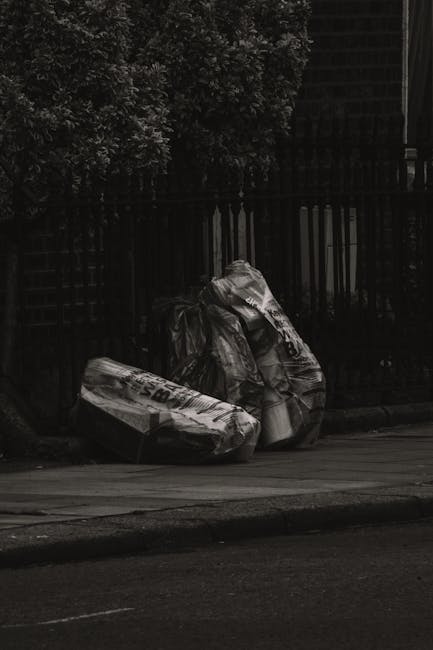
Lee Green garden rubbish pickup tips for tight front yards

If you live in Lee Green and your front yard is a bit of a squeeze, garden rubbish pickup can feel oddly complicated. A few bags of hedge trimmings, a broken planter, wet branches after a windy afternoon, and suddenly there is nowhere to stand, nowhere to turn, and nowhere to park. That is exactly why Lee Green garden rubbish pickup tips for tight front yards matter: the problem is not just the waste itself, it is access, timing, and getting everything out without damaging fences, planting beds, or your back.
This guide breaks the process down in plain English. You will get practical planning tips, a clear step-by-step approach, common mistakes to avoid, and a realistic view of when a professional clearance service makes life easier. No fluff. Just the sort of advice that helps you look at a narrow front space and think, right, that is manageable.
Why Lee Green garden rubbish pickup tips for tight front yards Matters
Tight front yards change everything. A normal garden clearance can be straightforward if waste is sitting on a drive or at the kerb. In a narrow Lee Green frontage, though, you may have only a thin path, a gate that opens awkwardly, steps, a neighbour's wall close by, and not much room to manoeuvre. One misplaced bag and you are scraping brickwork or blocking the pavement. Not ideal.
It matters because small access issues quickly become bigger problems. If the waste is not prepared properly, pickup takes longer. If it is too heavy, the person carrying it may struggle on the turn from garden to street. If thorny cuttings are mixed with damp soil and loose rubble, the whole job becomes messier and riskier than it needed to be. That is where good planning saves time, effort, and a fair bit of frustration.
There is also a neighbourly side to it. In streets where front spaces are compact, pickups have to be tidy and considerate. You want to avoid leaving mud on the pavement, blocking shared access, or dragging awkward branches through a shared passage like a rather unhelpful conga line. A little preparation goes a long way.
For larger or mixed clear-outs, it can help to think of the garden job as part of a wider waste plan. If your project includes old furniture, broken fence panels, or shed contents as well as green waste, services such as garden clearance, waste removal, or even garage clearance may be the more practical route.
How Lee Green garden rubbish pickup tips for tight front yards Works
At the simplest level, the job works in three stages: assess the access, prepare the rubbish, then move it out safely. The difference in tight front yards is that each stage needs a bit more thought. The route from garden to road is often the real challenge, not the garden rubbish itself.
First, look at the full path. Where does the waste need to travel? Can a bag be carried in one clean movement, or will it need to be passed around a corner, lifted over a low wall, or turned through a narrow gate? These details sound small until you are standing there with wet hedge clippings and nowhere to put your feet.
Second, separate the waste by type. Green waste, soil, heavy pots, timber, and general rubbish all behave differently. A bag full of leaves is easy enough. A bag full of damp topsoil is a different story. It may split, sink, or become awkwardly heavy. It is usually better to split loads into manageable portions than to pack them like you are trying to win a strongman contest.
Third, decide whether you are dealing with a straightforward pickup or a clearance visit. For lighter jobs, a neat kerbside stack might be fine. For more substantial waste, a professional team can collect from inside the property, manage lifting, and sort the material for appropriate handling. If the access is tight, that inside collection can save a lot of stress.
In practice, the job often starts with a short conversation about access, waste volume, and what is on the route out. A good provider will want to know about gates, parking restrictions, fragile surfaces, and whether there is space to stage the waste. If you are checking pricing or comparing options, the pricing and quotes page is a useful place to start understanding how jobs are typically assessed.
Key Benefits and Practical Advantages
Getting the approach right gives you more than a tidy front yard. It reduces strain, protects surfaces, and helps the pickup happen in one smooth visit instead of turning into a drawn-out shuffle. That is worth quite a bit on a weekday afternoon when the weather is closing in and the bins are already full.
- Less physical strain: Smaller, smarter loads are easier to carry through narrow spaces.
- Reduced mess: Clear routes mean less soil, leaf debris, and mud spread across paths and pavements.
- Faster turnaround: Well-prepared waste is quicker to lift, sort, and remove.
- Lower damage risk: Tight turns are where scraped paint, crushed plants, and broken pots happen.
- Better sorting: Separating green waste, bulky items, and mixed rubbish supports cleaner disposal.
There is a less obvious benefit too: calm. When you know the waste is staged properly, you stop second-guessing yourself every five minutes. You are not wondering whether the bag will split or whether the gate will catch. You just get on with it.
For households that are already tackling wider decluttering, this is often where other services come into the picture. A front garden full of old outdoor chairs or damp stored items may overlap with furniture disposal or furniture clearance. If the whole house is getting a reset, it can also make sense to look at home clearance or house clearance rather than handling each pile separately.
Who This Is For and When It Makes Sense
This topic is especially relevant if your front garden is small, enclosed, stepped, shared, or squeezed between boundary walls. In Lee Green, that can mean Victorian terraces, compact side access, or front patches where the gate opens directly onto a narrow path. Not much wiggle room, in other words.
It makes sense for:
- homeowners with a small front yard and a lot of hedge cuttings or prunings
- landlords clearing a front garden after tenants have left plant pots, bags, or broken outdoor items
- older residents who need a safer, less physically demanding way to move garden waste
- people with limited parking or access close to the property
- anyone dealing with mixed garden and household waste in a tight frontage
It is also useful after seasonal jobs. Late autumn leaf fall, spring pruning, or a weekend tidying session can all leave more waste than you expect. You start with a few trimmings. Then there is an old bag of compost, a cracked plant tub, some branches, and a broken trellis leaning in the corner. Happens all the time.
If there are larger items stored in a garage, loft, or outdoor structure, the right service choice may shift. A compact front yard with overflow waste from indoors may be better handled as part of flat clearance, loft clearance, or garage clearance depending on where the clutter started.
Step-by-Step Guidance
Here is the most practical way to handle garden rubbish pickup when space is tight. Keep it simple. The more complicated you make the route, the more likely something gets knocked, snagged, or dropped.
- Measure the access route. Check gate width, corner turns, step heights, and any low hanging branches or cables. You do not need engineering precision. Just know where the awkward spots are.
- Sort the waste before moving it. Separate green waste, heavy soil, sharp cuttings, timber, and mixed rubbish. This avoids overloading one bag or box.
- Break bulky material down. Cut branches to manageable lengths and fold flexible garden waste into smaller bundles. Large awkward shapes are what cause jams in narrow spaces.
- Use containers that will not split. Thin bags can fail at the worst possible moment. Sturdy sacks, reusable tubs, or tied bundles are usually safer.
- Clear a staging area. Even a tiny patch beside the path helps. Put waste somewhere you can pick it up cleanly, rather than making repeated turns through the garden.
- Protect the surfaces. If the path is slippery or soft, lay down something temporary and suitable. You want less mud transfer, not more.
- Check the collection route at the end. Walk it once before lifting anything. A three-second check can save a lot of awkwardness.
A tiny practical note: if the waste is damp, carry less per trip than you think you need to. Damp material is sneaky. It feels light until you have to tilt it through a narrow gate.
If the job involves more than garden waste and you need a broader removal solution, a wider waste removal service can be more efficient than trying to bundle everything into a single category.
Expert Tips for Better Results
After enough garden pickups, a pattern becomes obvious: the jobs that go smoothly are usually the ones where the access was planned, not guessed. That is the big one. Guessing is where the little mishaps creep in.
1. Put the heaviest items closest to the exit.
When space is tight, start with the densest waste near the easiest turning point. It reduces repeated carrying deeper into the garden.
2. Keep thorny and spiky material separate.
Rose clippings, brambles, and rough branches are much easier to deal with if they are bundled on their own. You will thank yourself later.
3. Avoid overfilling bags.
That sounds obvious, but people do it all the time. Overfull bags are not just hard to carry; they are more likely to snag on gates and railings.
4. Think about neighbours and shared routes.
If waste has to pass a shared path, a quick heads-up is courteous. You do not need a committee meeting, just a bit of common sense.
5. Photograph the access if you are booking a service.
A simple photo of the front path, gate, and waste pile helps the team understand what they are dealing with. No drama. Just useful detail.
Truth be told, some front yards are so compact that the best tip is not to force the issue. If a route looks too awkward for safe carrying, ask for help early. That is not over-cautious; it is sensible.
Common Mistakes to Avoid
Small access spaces expose bad habits quickly. The usual mistakes are easy to recognise once you have seen them a few times.
- Piling everything in one place: If the pile sits directly in the tightest part of the route, you make the pickup harder than it needs to be.
- Mixing heavy soil with light green waste: The load becomes uneven and awkward to lift.
- Ignoring wet weather: A path that feels fine in dry conditions can become slippery after a shower.
- Using fragile bags: Thin sacks may split on a sharp twig or a rough paving edge.
- Blocking the only turning point: This is a classic own goal. You need space to pivot, not just space to stack.
- Leaving sharp cuttings exposed: This creates handling risks for anyone moving the waste.
Another common one is underestimating how many trips will be needed. People see a neat pile and think, that looks manageable. Then the bags start moving and suddenly the job has tripled in effort. Not catastrophic, just annoying. Avoidable, too.
Tools, Resources and Recommendations
You do not need a lot of equipment, but a few sensible tools make a cramped pickup much easier.
| Tool or item | Why it helps in a tight front yard | Best use |
|---|---|---|
| Strong refuse sacks or reusable bags | Less chance of splitting on corners or sharp twigs | Leaves, cuttings, lightweight mixed waste |
| Garden loppers or pruning shears | Reduce bulky branches to safer sizes | Hedges, shrubs, smaller branches |
| Wheelbarrow or garden trolley | Moves waste in fewer trips if the route allows it | Short, level access paths |
| Tarpaulin or protective sheet | Helps stage waste neatly and keep the ground cleaner | Temporary collection staging |
| Work gloves | Useful for thorny or splintery material | Manual sorting and lifting |
If you want a service-led approach, the most helpful next step is often a simple quote and access discussion. A provider should be able to talk through what can be collected, how access affects the job, and whether the material is suitable for recycling or separate handling. You can also read more about the company's approach to recycling and sustainability, which matters when you want waste handled properly rather than just shifted out of sight.
Law, Compliance, Standards, or Best Practice
For garden rubbish pickup in the UK, the important point is not to guess at the rules. Keep it practical and cautious. Garden waste, mixed household waste, and any items that may contain sharp, heavy, or contaminated material should be handled in a way that is safe, legal, and appropriate to the material type.
Best practice usually means:
- not leaving waste where it obstructs the pavement or creates a trip hazard
- avoiding manual lifting methods that put people at unnecessary risk
- separating green waste from other waste where possible
- using a properly insured and safety-aware service for larger or more complex clearances
- checking service terms so you know what is included before the work starts
For householders, the main practical duty is to keep the route safe and sensible. If a pickup involves shared access, uneven paving, or awkward lifting, it is better to slow down than to improvise. There is nothing glamorous about a twisted ankle or a damaged wall, and nobody wants that.
If you are comparing providers, it is reasonable to ask about safety processes and insurance. The pages on health and safety policy, insurance and safety, terms and conditions, and payment and security help build trust before you book anything.
Options, Methods, or Comparison Table
There is no single right way to clear garden rubbish from a tight frontage. The best choice depends on volume, weight, access, and how much time you want to spend wrestling bags through the gate. Here is a straightforward comparison.
| Method | Best for | Pros | Limitations |
|---|---|---|---|
| DIY bag-by-bag removal | Small amounts of light garden waste | Low cost, flexible timing, simple | Time-consuming, harder with heavy or damp material |
| Kerbside-style pickup | Waste that can be staged neatly outside | Fast if access is easy | May not suit very narrow paths or restricted parking |
| Professional garden clearance | Mixed or bulky waste, awkward access, larger jobs | Less lifting for you, more efficient, safer handling | Usually costs more than doing everything yourself |
| Full property or outbuilding clearance | Jobs involving garden waste plus stored clutter | Useful when waste comes from several areas | May be more service than you need for a small tidy-up |
For many Lee Green homes, the middle ground is best. A well-planned professional visit can be more efficient than multiple DIY trips, especially if the front yard is tight and the waste is not exactly feather-light. Sometimes the cheapest option is the one that does not waste your Saturday.
Case Study or Real-World Example
Picture a typical Lee Green front garden after a weekend pruning session. The hedge has been trimmed back, three planter bags are split and full of roots, there is a bundle of branches lying across a narrow path, and the gate opens inward, which always feels like a little personal insult when you are trying to move things out.
The homeowner starts by stacking everything in the middle of the path. Fine for a minute, but the route is now blocked. The better approach is to shift the heaviest items near the exit first, bundle the branches into shorter lengths, and use smaller sacks for the damp material. Once the staging area is clear, the pickup becomes much more predictable.
In this kind of job, a professional team would usually want to know three things: how wide the access is, whether there is parking nearby, and what kind of material is being removed. That information lets them plan the right lifting approach and avoid unnecessary back-and-forth. It sounds basic, but basic is often what works.
The end result is neat rather than dramatic: the front yard is clear, the pathway is swept, and nobody has had to drag a bag through a corner at an awkward angle while pretending it is not heavy. That is a win in my book.
Practical Checklist
Use this before pickup day. A quick five-minute check can save a lot of hassle.
- Measure the narrowest gate or passage point
- Identify any turns, steps, or low obstacles
- Separate green waste from heavy or mixed rubbish
- Cut branches and long stems down to manageable sizes
- Use strong sacks, crates, or tied bundles
- Keep sharp material grouped safely
- Clear a small staging area near the exit
- Check for wet or slippery surfaces
- Make parking or access notes if a team is collecting
- Confirm what can and cannot be collected before the day arrives
Expert summary: in a tight Lee Green front yard, the best pickup is the one planned around access first and waste type second. If you get those two things right, everything else becomes easier. Much easier, usually.
Conclusion
Lee Green garden rubbish pickup in a tight front yard is really about making small spaces work smarter. Sort the waste early, respect the access, keep loads manageable, and do not underestimate the value of a clear route from garden to street. Those little choices are what stop a simple tidy-up from turning into a frustrating afternoon.
If your job is bigger than a few bags, or if the access is simply too awkward to do safely by yourself, a professional clearance service can be the calmest option. The right team will understand the space, handle the lifting, and leave you with a clean finish instead of a half-completed pile and a sore shoulder. A tidy front yard has a quiet kind of satisfaction to it, especially when the job was hard going at the start.
Get a free quote today and see how much you can save.
Frequently Asked Questions
What is the best way to remove garden rubbish from a narrow front yard?
Break the waste down into smaller loads, keep the route clear, and separate heavy material from light green waste. In a narrow front yard, fewer awkward lifts usually means a safer and faster pickup.
Can garden rubbish be left at the kerb for collection?
Sometimes, yes, but only if the waste can be staged safely and without blocking the pavement. In tight access homes, it is often better to move waste in controlled loads rather than trying to create a large kerbside pile.
How do I know if my front yard is too tight for DIY removal?
If the gate is narrow, the path has sharp turns, or the waste is heavy and damp, DIY removal can become awkward quickly. If you are already thinking, this is going to be a faff, that is often a sign to get help.
What kind of garden waste is hardest to move in small spaces?
Damp soil, tangled branches, thorny cuttings, and mixed waste with uneven weight are the hardest to carry through tight access. They are bulky, messy, and harder to keep balanced.
Should I separate green waste from other rubbish?
Yes, if possible. It helps with handling, keeps things cleaner, and can make disposal more efficient. Mixed waste is usually heavier and less predictable to move through narrow front yards.
Do I need special equipment for a tight front-yard pickup?
Not always, but sturdy sacks, gloves, pruning tools, and sometimes a trolley or wheelbarrow can make the job easier. The key is choosing tools that suit the space rather than fighting it.
How much should I fill each bag or container?
Only fill it to a weight you can carry comfortably and safely. Overfilled bags are one of the fastest ways to turn a tidy pickup into a backache.
What should I tell a clearance company before booking?
Share the access width, gate type, steps, parking limitations, and the kind of waste you have. A few honest details up front help the team plan properly and avoid surprises.
Can a professional team collect from inside the garden if the front is narrow?
Often, yes. That is one of the main reasons people choose a service instead of doing it themselves. It reduces the number of times waste has to be carried through the tightest part of the property.
Is it okay to mix garden waste with old furniture or shed items?
It can be handled, but mixed loads are usually easier to manage when sorted into categories. If you have outdoor furniture or storage clutter as well as garden waste, it may be worth looking at furniture disposal or broader clearance options.
How can I keep the path clean during pickup?
Stage waste on a tarp or in containers, avoid dragging bags across the ground, and sweep the route once the job is done. Small habits like that make a noticeable difference in a tight front yard.
When should I choose a full clearance service instead of handling it myself?
Choose a full service when the waste is bulky, heavy, mixed, or difficult to move safely through the front access. If the job is bigger than your comfort level, that is a perfectly reasonable point to stop and hand it over.
Sometimes the smallest spaces ask for the smartest planning. Once you know the route, the rest tends to fall into place.